Using Somatic-Based Therapy to Release Anxiety From the Body
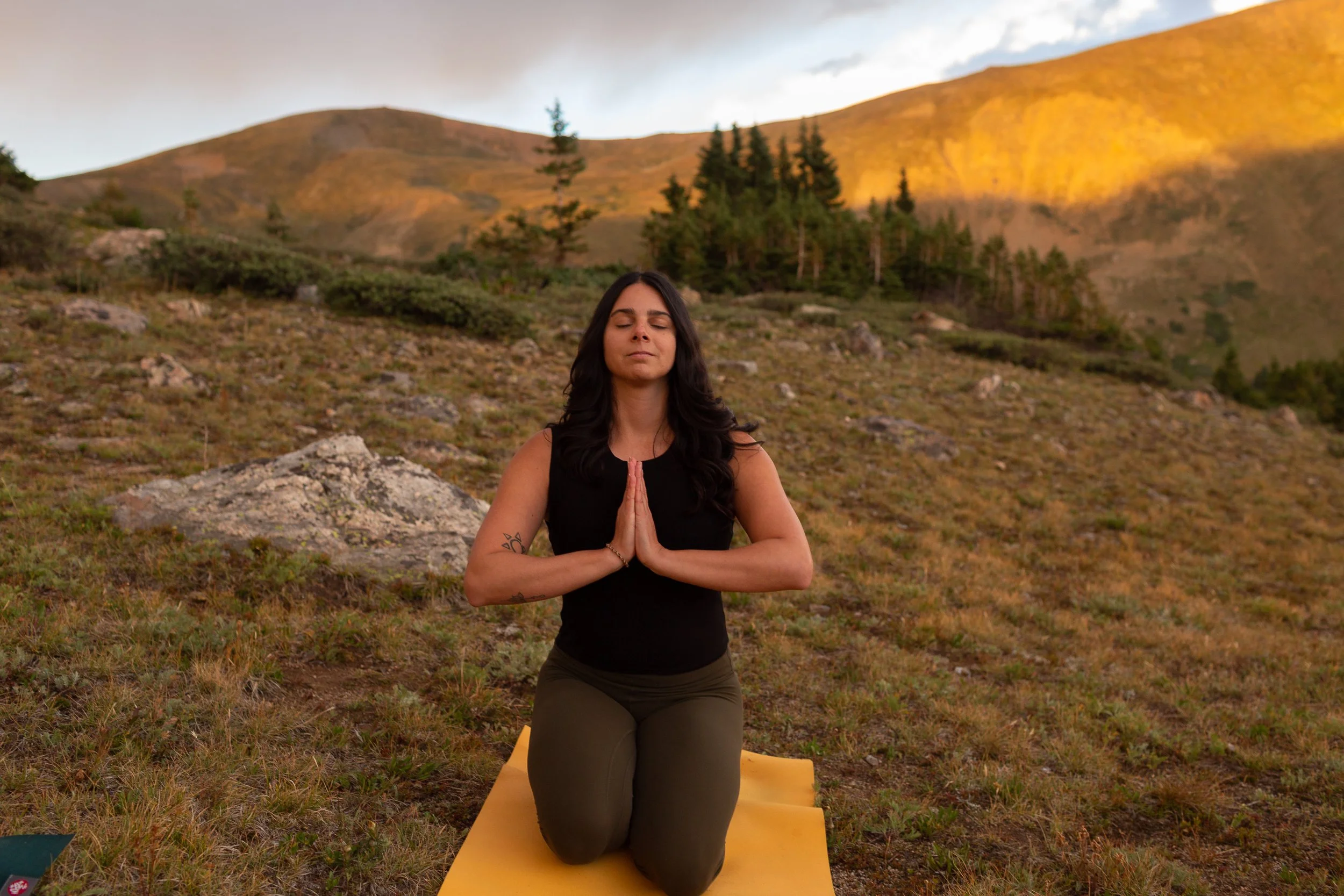
Anxiety is often described as something that happens in the mind: racing thoughts, endless what-ifs, difficulty concentrating, or imagining everything that could go wrong. But if you've experienced anxiety, you probably know that it doesn't stay in your head.
It can show up as a tight chest, clenched jaw, restless legs, shallow breathing, a knot in your stomach, tense shoulders, or an overwhelming urge to move—or not move at all. Sometimes your body seems to know you're anxious before your mind has caught up.
This is part of what makes anxiety so complex. We don't simply think anxiety. We experience it throughout our whole system.
Movement-based and somatic approaches to therapy offer another way of working with anxiety: rather than focusing exclusively on the thoughts that accompany anxiety, we can begin paying attention to what is happening in the body and exploring what happens when we meet those sensations with curiosity, movement, and compassion.
Anxiety is a whole-body experience
When your nervous system perceives a threat, whether that threat is immediate or anticipated, your body begins preparing you to respond. Your heart rate may increase. Your breathing may change. Your muscles may tighten. Your attention narrows toward whatever your brain has identified as potentially dangerous.
This response can be incredibly useful when you're actually in danger. Your body is designed to mobilize energy quickly so that you can respond.
The challenge is that our nervous systems don't always distinguish between a physical threat and a stressful email, an uncomfortable conversation, an uncertain future, or a thought about something that might happen. Over time, the body can become accustomed to living in a state of readiness.
You might notice that you are constantly holding tension in your shoulders. Maybe you have difficulty taking a deep breath. Perhaps you pace when you're anxious, pick at your skin, fidget, freeze, or feel an almost unbearable need to escape a situation. These aren't signs that your body is failing you. They're often attempts to protect you.
A somatic approach to anxiety begins with this understanding: your body's responses make sense, even when they aren't always serving you anymore.
What does it mean to “release” anxiety from the body?
The phrase releasing anxiety from the body can sound like anxiety is a physical substance that gets trapped inside us and needs to be expelled. That's not quite how we understand it.
Instead, think about anxiety as something that can become embodied.
Repeated experiences of stress can influence how we breathe, hold ourselves, move, respond to sensations, and relate to our surroundings. We may develop habitual patterns of bracing, avoiding, collapsing, or staying constantly alert. Movement-based therapy creates an opportunity to notice those patterns and experiment with something different. Maybe you notice that you hold your breath whenever you feel uncertain. In therapy, you might slow down and explore what happens when you allow yourself to breathe more fully. Maybe you notice that anxiety makes you want to curl inward. You might explore what it feels like to gently open your chest or lengthen your spine. Maybe you feel restless and need to move. Rather than immediately trying to suppress that sensation, you might explore walking, stretching, shaking, or another form of intentional movement.
The goal isn't to force anxiety out of your body. It's to develop a greater sense of choice, awareness, and safety within your body.
Movement can help us access what words can't
Therapy can be incredibly powerful. Putting experiences into words can help us understand patterns, develop perspective, process emotions, and make meaning from what we've experienced. But sometimes we understand something intellectually and still don't feel differently.
You might know that you're safe now, but your body still feels on edge. You might understand that you don't need everyone's approval, but your stomach still drops when someone seems disappointed in you. You might recognize that a past relationship wasn't healthy, but your body still braces when someone raises their voice. This is where incorporating the body into therapy can offer another doorway.
Rather than asking only, “Why do I feel this way?”, we might also ask: Where do I feel this in my body? What happens when I stay with that sensation for a moment? Does it change when I breathe, move, or shift my posture? What does my body seem to want or need right now?
These questions aren't about finding a perfect answer. They're invitations to become more curious about your internal experience.
You don't have to be “good at yoga” or movement
Movement and somatic-based therapy isn't about athletic ability, flexibility, or performing a particular exercise correctly. In fact, some of the most meaningful movement practices can be incredibly simple, and might not even require you to move, but to attune to your body.
You might notice your feet pressing into the ground. You might slowly turn your head and look around the room. You might stretch your arms overhead, take a walk, sway gently, or place a hand over your heart. Sometimes the practice is even smaller: noticing that your shoulders are raised and allowing them to soften by just a few degrees.
The emphasis is on awareness rather than performance.
This can be especially important for people who have complicated relationships with exercise or their bodies. Somatic-based therapy doesn't need to be about changing your body or pushing through discomfort. It can instead become a way of listening to your body and developing a more compassionate relationship with it.
Letting the body complete a stress response
One reason movement can feel helpful during anxiety is that anxiety often involves mobilization. Your body prepares to do something: run, fight, protect yourself, solve a problem, get away, or take action.
But modern life doesn't always give us a clear opportunity to complete that mobilization. You might feel anxious during a meeting and have to remain seated. You might receive upsetting news while you're at work and have to continue with your day. You might spend hours worrying about something without ever having a clear action to take. The physical energy associated with that stress response can leave you feeling restless, tense, or keyed up.
Gentle movement can provide an opportunity to reconnect with that energy and notice how it changes. That might mean taking a walk after a stressful conversation. It might mean stretching after a long day. It might mean moving your body to music, practicing yoga, or simply taking a few minutes to breathe and notice what's happening inside. Rather than judging the sensation of activation as something that needs to be immediately eliminated, you can begin relating to it differently.
“My body is activated right now. What would help me feel more grounded?”
That question is very different from:
“How do I make this feeling stop?”
Movement can create a sense of agency
Anxiety often comes with a feeling of powerlessness.
Something might happen and your mind immediately begins searching for ways to control the outcome. You replay conversations. You anticipate problems. You seek reassurance. You plan for every possible scenario.
Movement offers a different kind of experience.
You choose how much to move. You choose when to pause. You can notice a sensation and decide whether you want to stay with it or shift your attention. You can experiment with taking up more space or making yourself smaller. You can move toward something or away from it.
These small experiences of choice can become meaningful.
Over time, movement-based therapy can help you develop a deeper sense that you can listen to your body without being controlled by every sensation it produces.
Sometimes anxiety needs movement. Sometimes it needs stillness.
It's also important not to assume that movement is always the answer. Sometimes when we're anxious, we need to slow down.
For one person, anxiety might look like pacing, fidgeting, and an inability to sit still. For another, it might look like exhaustion, numbness, or feeling disconnected from their body. The same practice won't work for everyone. A somatic-based approach isn't about prescribing a particular exercise. It's about becoming curious about what your nervous system needs in a particular moment.
Sometimes that might be a walk. Sometimes it might be stretching. Sometimes it might be lying on the floor and feeling the support beneath you. And sometimes it might be doing absolutely nothing for a few minutes and allowing yourself to rest.
Bringing movement into therapy
Movement doesn't have to happen separately from psychotherapy. It can become part of the therapeutic process itself.
A therapist might invite you to notice what happens in your body while talking about a difficult experience. You might explore a change in posture or breathing. You might practice grounding when anxiety begins to rise. You might experiment with movement as a way of connecting with an emotion, boundary, need, or sense of agency.
For people who have spent years disconnecting from their bodies, this process can be particularly meaningful, but it doesn't have to happen quickly. Somatic work is often about developing enough safety and awareness to listen to your body without overwhelming yourself. There is no prize for feeling everything all at once.
Healing can happen slowly, through small moments of noticing.
A different way of relating to anxiety
What if the goal of anxiety treatment isn't to become someone who never feels anxious? Anxiety is part of being human. It can alert us to things that matter. It can help us prepare, pay attention, and respond to uncertainty. The goal may instead be developing a relationship with anxiety in which you can notice it without immediately becoming consumed by it.
You can feel your heart beating faster and recognize, My body is activated. You can notice tension in your shoulders and soften them. You can feel the urge to run and pause long enough to ask what you're actually needing. You can experience discomfort without assuming that something is terribly wrong. And you can begin to trust that your body isn't your enemy.
It has been trying to protect you all along.
About Glow Collective
At Glow Collective Integrative Therapy, we believe therapy can include the whole person—not just thoughts and words, but emotions, sensations, movement, relationships, and the lived experience of being in a body. If anxiety has become something you experience physically as well as mentally, movement-based or somatic therapy may offer another pathway toward feeling more grounded, connected, and at home in yourself.

Meet Nora!
Nora is accepting clients & has specialized training in anxiety therapy. She offers mindfulness-based, trauma-informed approaches to help clients reduce worry, manage panic, and rebuild confidence. Nora integrates evidence-based techniques with compassionate, relational care.

Anxiety Therapy
Learn more about Glow Collective Integrative Therapy and how we can support you in reducing your anxiety, regulating your nervous system, and living a more balanced, resilient, and fulfilling life.