Integrating Yoga & Movement into Depression Treatment
Depression often affects much more than mood. It can change the way we breathe, move, sleep, connect with others, and experience our own bodies. For many people, even getting out of bed or taking a short walk can feel overwhelming.
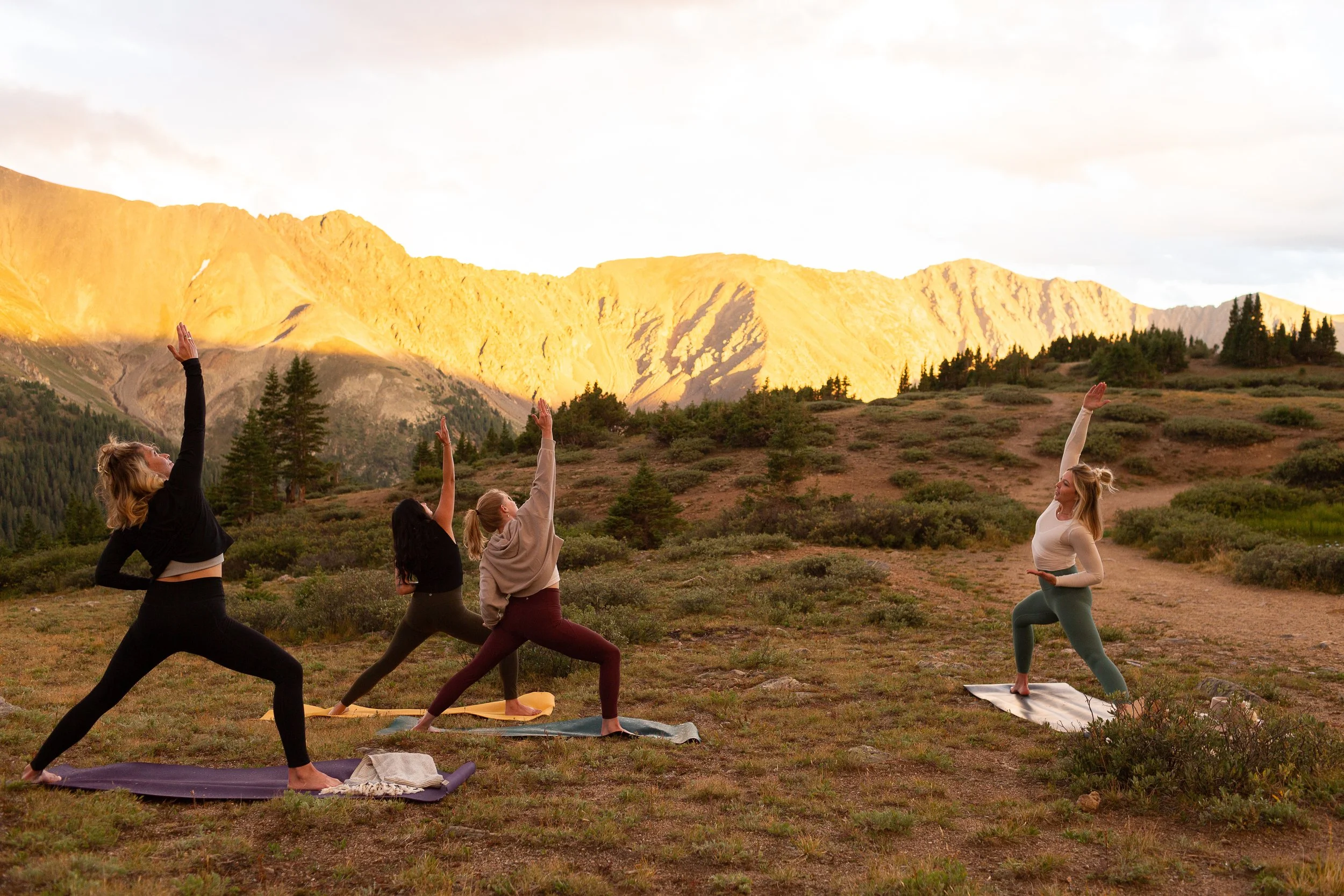
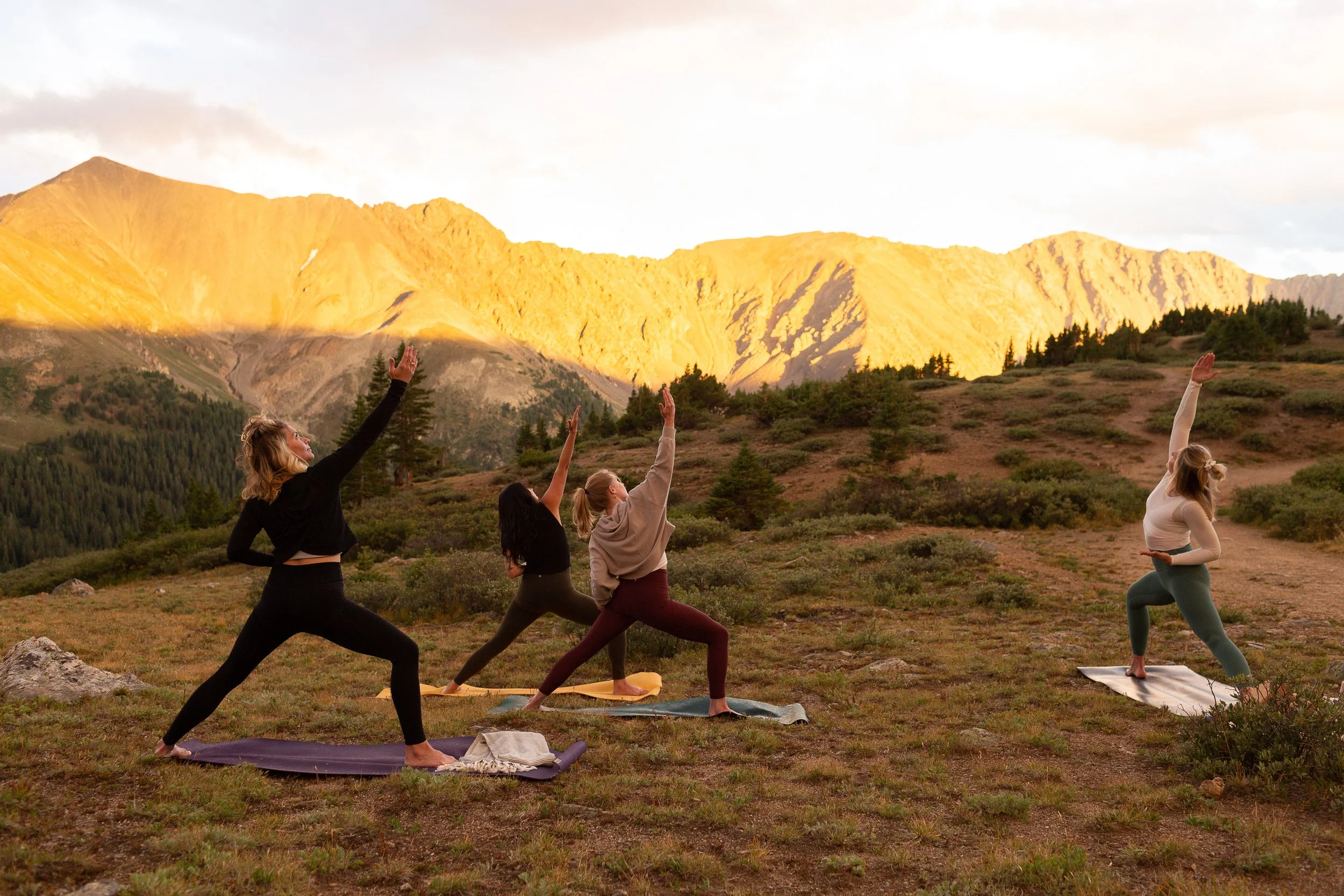
While psychotherapy and, for some individuals, medication remain important evidence-based treatments for depression, growing research suggests that yoga and intentional movement can be valuable complementary practices. Not because they "cure" depression—but because they help restore connection to the body, regulate the nervous system, and create gentle opportunities for vitality to return. Through breath, movement, and awareness, we can work with the symptoms of depression you are feeling and allow you to make subtle, but important, shifts. Over time, these shifts can make big changes, and give you more control over the way you feel each day.
At Glow Collective, we often think of healing as a whole-person process. Mind, body, emotions, and relationships all influence one another, and movement can become one meaningful doorway into that healing.
Depression doesn't just happen in the mind
One of the common misconceptions about depression is that it's simply a problem of negative thinking. In reality, depression often has profound physical symptoms, including:
Fatigue or low energy
Changes in sleep
Muscle tension or heaviness
Feeling disconnected from your body
Reduced motivation to move
Difficulty experiencing pleasure or aliveness
This is one reason body-oriented therapies can be so helpful. Rather than asking someone to “think their way out” of depression, they invite a gentle, curious awareness of physical sensations, breath, posture, and movement—all of which continuously communicate with and shape the nervous system.
Not all movement needs to be intense
One of the biggest barriers for people experiencing depression is the belief that movement has to be vigorous to "count." This belief is challenging, and often leads folks to feel overwhelmed, which can cause further shut down. In reality, gentle, consistent movement is often more accessible and sustainable. We want to find options that feel sustainable and possible, and from there we can build up to higher intensity. It’s better to have the sense of accomplishment of having done something, than to continually give yourself unattainable goals.
Consider practices like:
Restorative or gentle yoga
Walking outside
Stretching for five minutes
Qi Gong or Tai Chi
Dancing to one favorite song
Simple mobility exercises while seated
The goal isn't maximizing calories burned. The goal is rebuilding a relationship with your body that feels supportive rather than demanding. During these practices, try to listen—notice what feelings arise, notice the quality of your thoughts. That’s where we can bring mindfulness in (which we’ll talk more about next) and allow all of these practices to go a little deeper.
Movement as mindfulness
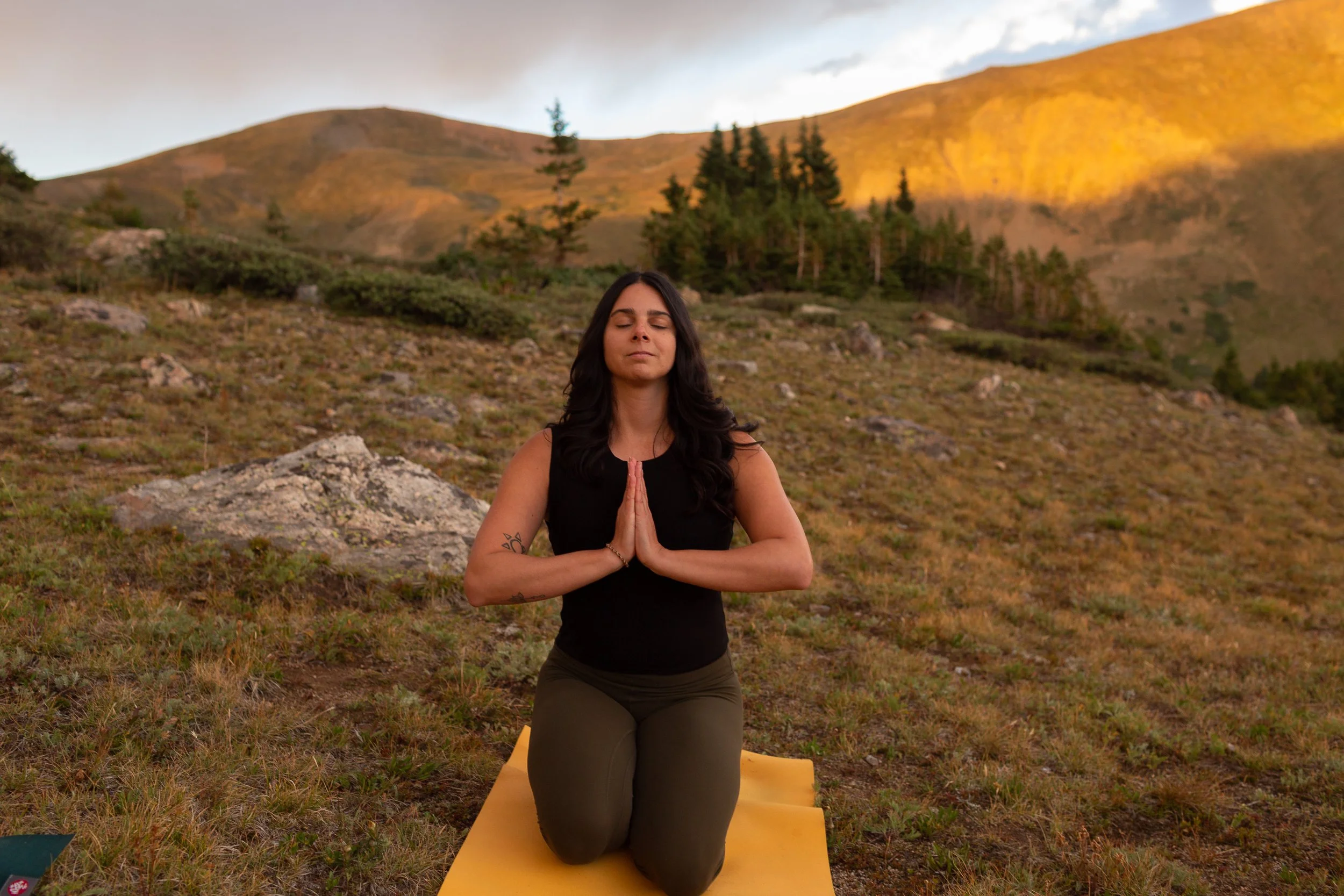
Depression often pulls our attention toward rumination. We might be replaying the past or feeling hopeless about the future. Mindful movement offers an opportunity to gently anchor attention in the present moment.
During a movement practice, you might notice:
The sensation of your feet pressing into the ground
The rhythm of your breath
The feeling of muscles lengthening & flexing
Moments of ease alongside moments of discomfort
These observations aren't about performing yoga or movement practices perfectly. They're opportunities to practice curiosity instead of judgment—a quality that often carries into therapy and daily life.
Integrating movement into therapy
Rather than viewing movement and psychotherapy as separate, they can complement one another beautifully. Therapy can help us to understand the roots of depressive patterns, and process grief, trauma, or life transitions. In therapy, we can identify unhelpful beliefs and develop self-compassion. When we couple that with movement practices, you have the opportunity to take these skills and changes out of the therapy office and into your daily life. You’ll have a greater ability to notice emotional shifts in real time, to build tolerance for difficult sensations, to regulate stress responses, and to experience moments of vitality and presence
Together, therapy and movement address both the psychological and embodied experience of depression.
Starting small is enough
If you're living with depression, ambitious wellness routines often become another source of shame. Instead of asking yourself to do an hour-long practice, try asking:
What feels possible today?
That might look like:
One conscious breath before getting out of bed
A three-minute stretch between meetings
Sitting outside for five minutes
A gentle yoga video before sleep
Walking around the block without your phone
Healing rarely happens through perfection. More often, it happens through small, compassionate moments repeated over time.
A whole-person approach to healing
Depression deserves care that honors the complexity of being human. Therapy can provide a safe place to explore your inner world, while yoga and mindful movement offer ways to reconnect with your body with kindness and curiosity.
If you're navigating depression, you don't have to do it alone. Integrative therapy can help you discover which practices genuinely support your healing—not because they're trendy, but because they're meaningful for your unique nervous system and life.
About Glow Collective
At Glow Collective Integrative Therapy, we offer mindfulness-based, trauma-informed therapy for adults throughout Colorado. Our clinicians integrate evidence-based psychotherapy with holistic approaches that honor the connection between mind, body, and nervous system.

Meet Nora!
Nora is accepting clients & has specialized training in anxiety therapy. She offers mindfulness-based, trauma-informed approaches to help clients reduce worry, manage panic, and rebuild confidence. Nora integrates evidence-based techniques with compassionate, relational care.

Depression Therapy
Learn more about Glow Collective Integrative Therapy and how we can support you in reducing your depression, regulating your nervous system, and living a more balanced, resilient, and fulfilling life.